
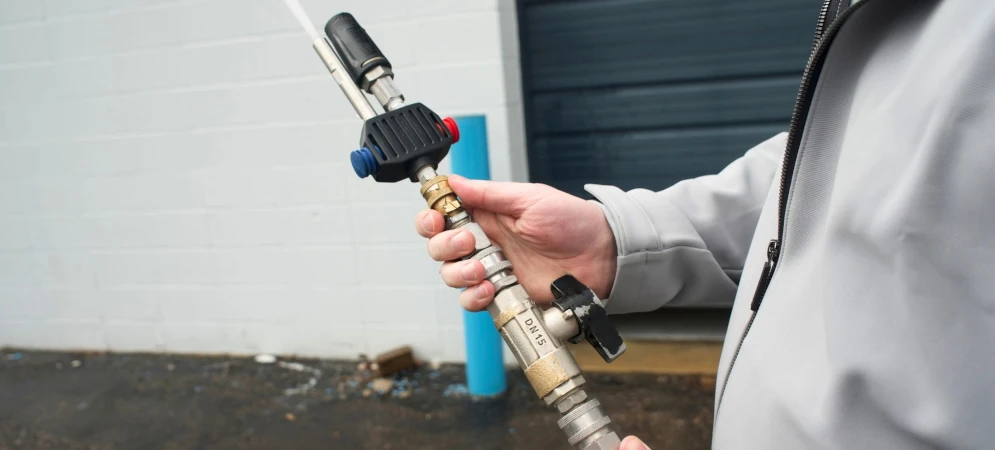
Pressure washing can make a big difference in the appearance of your home’s exterior. It’s one of the fastest ways to clean away dirt, algae, moss, mildew, and surface buildup from concrete, patios, siding, fences, and other outdoor areas. But while it can be incredibly effective, it’s also something that should be done carefully. Using the wrong pressure, nozzle, or cleaning method can leave surfaces damaged instead of refreshed.
If you’re thinking about tackling exterior cleaning yourself, it helps to understand where pressure washing works best, when a gentler approach is needed, and a few simple ways to get better results without creating extra problems.
Know when pressure washing is the right choice
Not every exterior surface should be pressure washed. Some materials can handle a stronger stream of water, while others should be cleaned with a lower-pressure soft wash method instead.
Pressure washing is often a good fit for:
- Driveways
- Sidewalks
- Patios
- Concrete steps
- Retaining walls
- Some brick and stone surfaces
Surfaces like roofing, painted wood, older siding, and delicate exterior finishes usually require more care. In those cases, too much pressure can strip paint, loosen shingles, gouge wood, or force water into places it shouldn’t go.
Start with the lowest effective pressure
One of the biggest mistakes homeowners make is assuming more pressure always means better cleaning. In reality, using too much force can leave streaks, etch concrete, damage siding, or scar wood surfaces.
It’s always better to start with the lowest effective setting and increase only if needed. A slower, more controlled wash is usually safer and often gives a more even result than trying to blast buildup away as quickly as possible.
Use the right nozzle for the job
Pressure washer nozzles affect how concentrated the spray is. A narrow spray pattern is much more aggressive than a wider one, so choosing the wrong tip can damage surfaces quickly.
As a general rule:
- Wider spray patterns are safer for general cleaning
- Narrower tips should be used carefully and only on durable surfaces
- Surface cleaners can help create a more even finish on large concrete areas
If you’re cleaning around trim, windows, vents, or painted surfaces, it’s best to be extra cautious and keep pressure lower.
Pre-treat buildup when needed
Not all stains or organic growth will come off with water alone. Algae, mildew, moss, and deep grime often respond better when they’re treated before rinsing. Pre-treating can loosen buildup, reduce streaking, and make the actual wash much easier.
This is especially helpful on:
- Shaded siding with algae buildup
- Concrete with dark staining
- Patios or walkways with moss growth
- Areas that haven’t been cleaned in a long time
Using the right cleaning solution can also help treat the source of organic growth rather than just rinsing the surface clean temporarily.
Keep a consistent distance from the surface
Holding the wand too close to the surface is one of the easiest ways to cause damage. Pressure washing works best when the spray is kept at a steady distance and moved evenly across the area being cleaned.
Staying too close can leave visible lines, gouge softer materials, or remove more than just the dirt. Keeping a consistent distance also helps the finished result look more even, especially on concrete and larger flat surfaces.
Don’t ignore surrounding landscaping
Exterior cleaning doesn’t just affect the surface being washed. Water runoff, overspray, and cleaning solutions can all affect nearby plants, garden beds, and grass if you’re not careful.
Before starting, it helps to:
- Move lightweight items out of the way
- Cover or rinse sensitive plants if needed
- Avoid spraying directly into vents, fixtures, or door seals
- Make sure runoff has somewhere to drain properly
A little prep work can help prevent a much bigger cleanup later.
Be careful with siding, wood, and roofs
This is where many DIY pressure washing projects go wrong. Siding, painted wood, fences, and roofing materials often need a gentler approach than homeowners expect. High pressure can push water behind siding, leave marks in wood, remove paint, or damage shingles.
If you’re cleaning any of the following, it’s worth slowing down and making sure pressure washing is actually the right method:
- Roofs
- Painted siding
- Wood decks and fences
- Composite materials
- Older exterior finishes
In many cases, these surfaces are better cleaned with soft washing instead.
Work in sections instead of rushing the whole job
Trying to clean an entire property as fast as possible usually leads to missed spots, uneven results, and more fatigue than expected. Breaking the job into sections makes it easier to control the wash pattern, watch for damage, and clean more thoroughly.
For example, you might tackle:
- The driveway first
- Then walkways and entry areas
- Then patio spaces or retaining walls
- Then any spot treatment areas that still need attention
This also helps you notice when a surface needs something other than pressure alone.
Know when to call a professional
Pressure washing can be a great DIY project for some homeowners, especially on concrete and other durable surfaces. But if the job involves a roof, delicate siding, second-story areas, heavy moss growth, or surfaces you’re unsure about, it may be better to bring in a professional.
A professional can help determine:
- Whether the surface should be pressure washed or soft washed
- What cleaning products are appropriate
- How much pressure is safe for the material
- Whether moss, algae, or staining needs additional treatment
That can save time, prevent accidental damage, and usually lead to a better long-term result.
Final thoughts
Pressure washing can be a useful way to maintain your property, but the best results come from knowing when to use it, how much pressure a surface can safely handle, and when a gentler method is the better choice. A little extra caution goes a long way, especially when working around siding, roofing, wood, and other more delicate materials.
If exterior cleaning isn’t something you’re interested in handling yourself, or you’d rather have a professional take a look at the property and recommend the right approach, feel free to reach out to Washington Pressure Washing for a quote. We’re happy to help with everything from concrete and driveway cleaning to soft washing, roof cleaning, and recurring exterior maintenance.