• neilghuman

Pressure Washing Tips and Tricks for Homeowners

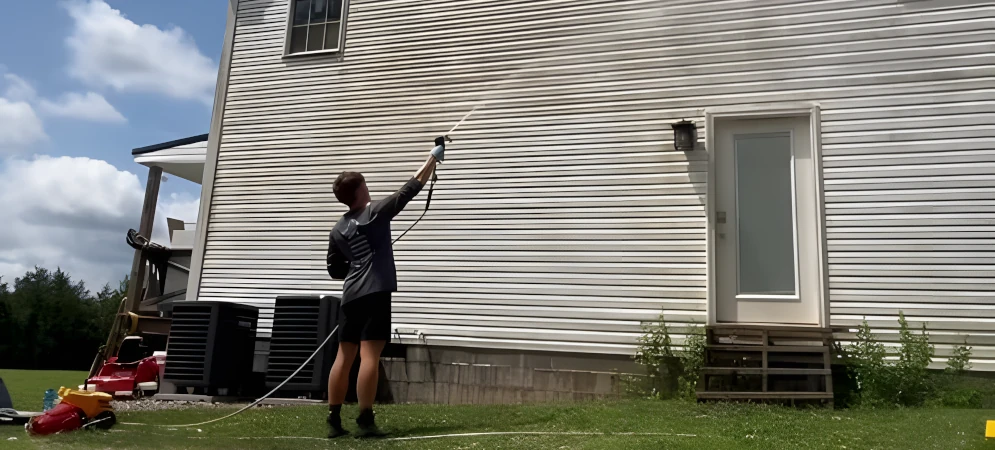
Pressure washing can make a big difference in the appearance of your home’s exterior. It’s one of the fastest ways to clean away dirt, algae, moss, mildew, and surface buildup from concrete, patios, siding, fences, and other outdoor areas. But while it can be incredibly effective, it’s also something that should be done carefully. Using the wrong pressure, nozzle, or cleaning method can leave surfaces damaged instead of refreshed.

If you’re thinking about tackling exterior cleaning yourself, it helps to understand where pressure washing works best, when a gentler approach is needed, and a few simple ways to get better results without creating extra problems.

Know when pressure washing is the right choice

Not every exterior surface should be pressure washed. Some materials can handle a stronger stream of water, while others should be cleaned with a lower-pressure soft wash method instead.

Pressure washing is often a good fit for:

  • Driveways
  • Sidewalks
  • Patios
  • Concrete steps
  • Retaining walls
  • Some brick and stone surfaces

Surfaces like roofing, painted wood, older siding, and delicate exterior finishes usually require more care. In those cases, too much pressure can strip paint, loosen shingles, gouge wood, or force water into places it shouldn’t go.

Start with the lowest effective pressure

One of the biggest mistakes homeowners make is assuming more pressure always means better cleaning. In reality, using too much force can leave streaks, etch concrete, damage siding, or scar wood surfaces.

It’s always better to start with the lowest effective setting and increase only if needed. A slower, more controlled wash is usually safer and often gives a more even result than trying to blast buildup away as quickly as possible.

Use the right nozzle for the job

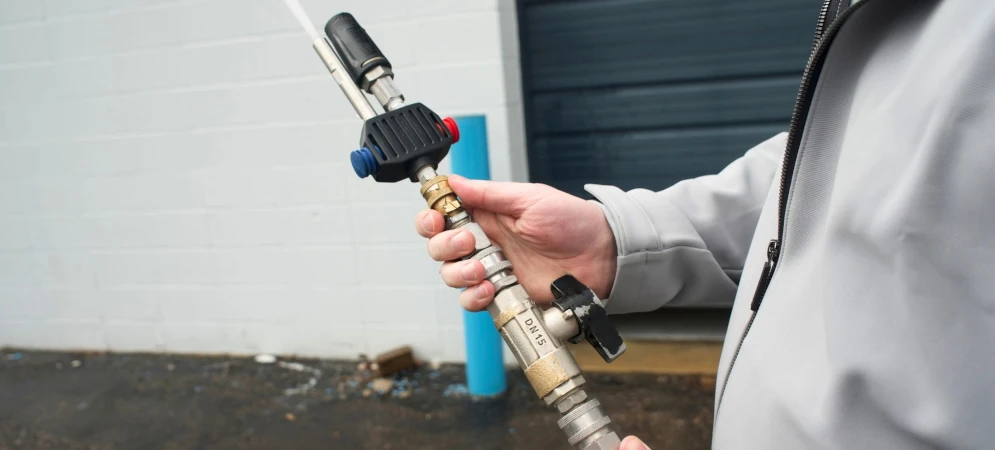
Pressure washer nozzles affect how concentrated the spray is. A narrow spray pattern is much more aggressive than a wider one, so choosing the wrong tip can damage surfaces quickly.

As a general rule:

  • Wider spray patterns are safer for general cleaning
  • Narrower tips should be used carefully and only on durable surfaces
  • Surface cleaners can help create a more even finish on large concrete areas

If you’re cleaning around trim, windows, vents, or painted surfaces, it’s best to be extra cautious and keep pressure lower.

Pre-treat buildup when needed

Not all stains or organic growth will come off with water alone. Algae, mildew, moss, and deep grime often respond better when they’re treated before rinsing. Pre-treating can loosen buildup, reduce streaking, and make the actual wash much easier.

This is especially helpful on:

  • Shaded siding with algae buildup
  • Concrete with dark staining
  • Patios or walkways with moss growth
  • Areas that haven’t been cleaned in a long time

Using the right cleaning solution can also help treat the source of organic growth rather than just rinsing the surface clean temporarily.

Keep a consistent distance from the surface

Holding the wand too close to the surface is one of the easiest ways to cause damage. Pressure washing works best when the spray is kept at a steady distance and moved evenly across the area being cleaned.

Staying too close can leave visible lines, gouge softer materials, or remove more than just the dirt. Keeping a consistent distance also helps the finished result look more even, especially on concrete and larger flat surfaces.

Don’t ignore surrounding landscaping

Exterior cleaning doesn’t just affect the surface being washed. Water runoff, overspray, and cleaning solutions can all affect nearby plants, garden beds, and grass if you’re not careful.

Before starting, it helps to:

  • Move lightweight items out of the way
  • Cover or rinse sensitive plants if needed
  • Avoid spraying directly into vents, fixtures, or door seals
  • Make sure runoff has somewhere to drain properly

A little prep work can help prevent a much bigger cleanup later.

Be careful with siding, wood, and roofs

This is where many DIY pressure washing projects go wrong. Siding, painted wood, fences, and roofing materials often need a gentler approach than homeowners expect. High pressure can push water behind siding, leave marks in wood, remove paint, or damage shingles.

If you’re cleaning any of the following, it’s worth slowing down and making sure pressure washing is actually the right method:

  • Roofs
  • Painted siding
  • Wood decks and fences
  • Composite materials
  • Older exterior finishes

In many cases, these surfaces are better cleaned with soft washing instead.

Work in sections instead of rushing the whole job

Trying to clean an entire property as fast as possible usually leads to missed spots, uneven results, and more fatigue than expected. Breaking the job into sections makes it easier to control the wash pattern, watch for damage, and clean more thoroughly.

For example, you might tackle:

  • The driveway first
  • Then walkways and entry areas
  • Then patio spaces or retaining walls
  • Then any spot treatment areas that still need attention

This also helps you notice when a surface needs something other than pressure alone.

Know when to call a professional

Pressure washing can be a great DIY project for some homeowners, especially on concrete and other durable surfaces. But if the job involves a roof, delicate siding, second-story areas, heavy moss growth, or surfaces you’re unsure about, it may be better to bring in a professional.

A professional can help determine:

  • Whether the surface should be pressure washed or soft washed
  • What cleaning products are appropriate
  • How much pressure is safe for the material
  • Whether moss, algae, or staining needs additional treatment

That can save time, prevent accidental damage, and usually lead to a better long-term result.

Final thoughts

Pressure washing can be a useful way to maintain your property, but the best results come from knowing when to use it, how much pressure a surface can safely handle, and when a gentler method is the better choice. A little extra caution goes a long way, especially when working around siding, roofing, wood, and other more delicate materials.

If exterior cleaning isn’t something you’re interested in handling yourself, or you’d rather have a professional take a look at the property and recommend the right approach, feel free to reach out to Washington Pressure Washing for a quote. We’re happy to help with everything from concrete and driveway cleaning to soft washing, roof cleaning, and recurring exterior maintenance.
  • neilghuman

Seasonal Exterior Maintenance in Washington: Why Regular Cleaning Matters in a Damp Climate

Exterior surfaces in Washington are constantly exposed to the kind of moisture that allows moss, algae, and mildew to build up quickly. Long wet seasons, shaded areas, tree cover, and constant moisture create the perfect conditions for moss, algae, mildew, and grime to build up across your property. What starts as a little green growth on a roofline or walkway can quickly spread if it isn’t addressed.

That’s why seasonal exterior maintenance is so important. Instead of waiting until buildup becomes obvious or starts causing staining, drainage issues, or surface wear, routine service helps keep your property cleaner, safer, and easier to maintain throughout the year.

Why Washington properties need more consistent exterior care

Washington’s climate creates a different set of maintenance challenges than drier regions. Even when it’s not actively raining, moisture tends to linger on roofs, siding, decks, fences, and concrete surfaces—especially in shaded areas that don’t get much sun. That damp environment makes it easy for moss, algae, and mildew to take hold.

Over time, this buildup can do more than affect curb appeal. Moss can hold moisture against roofing materials, algae can stain siding and concrete, and clogged gutters can cause drainage problems around the home. If left alone for too long, these issues can become harder to remove and more expensive to deal with later.

The benefit of seasonal maintenance

Seasonal maintenance helps you stay ahead of the buildup before it becomes a larger problem. Rather than letting moss, debris, and organic staining accumulate year after year, regular service keeps exterior surfaces in better condition and makes each cleaning more manageable.

It also helps protect the surfaces themselves. A roof that is regularly cleared of moss and debris is less likely to trap moisture. Gutters that are cleaned before heavy rain seasons are better able to direct water away from the property. Siding, walkways, patios, and other exterior surfaces also stay cleaner and more presentable when buildup is handled on a consistent schedule.

For many homeowners and property managers, seasonal maintenance also removes the guesswork. Instead of trying to decide when things have gotten “bad enough” to clean, recurring service creates a simple routine that keeps the property looking cared for year-round.

What we recommend for seasonal exterior maintenance

Not every property needs the exact same schedule, but in Washington, we generally recommend focusing on the areas most affected by moisture, debris, and shade. A seasonal maintenance plan can be adjusted based on tree coverage, roof type, drainage, and how quickly buildup returns on the property.

Spring

Spring is one of the best times to clean away buildup left behind from winter. This is often a good time for:

  • Roof and gutter cleaning
  • House washing or soft washing
  • Driveway, walkway, and patio cleaning
  • Fence and deck washing
  • Moss treatment in problem areas

Summer

Summer is ideal for addressing surfaces that have dried out and are easier to assess visually. It’s also a good time to maintain curb appeal and clean areas used more often during warmer months. Depending on the property, summer may be a good time for:

  • Spot cleaning shaded siding or fence lines
  • Patio and entertainment area cleaning
  • Touch-up maintenance for recurring moss or algae areas
  • Commercial exterior cleaning for higher-traffic properties

Fall

Fall maintenance is especially important in Washington because gutters, roofs, and drains often collect leaves, needles, and debris before the wettest part of the year. We usually recommend:

  • Gutter cleaning before heavy rain season
  • Roof debris removal and moss treatment
  • Walkway and driveway cleaning to reduce slippery buildup
  • Exterior cleaning in areas that stay damp or shaded

Winter

Not every service is ideal during winter weather, but some maintenance can still be useful depending on conditions. If temperatures allow, winter is often a good time to address:

  • Urgent moss buildup
  • Gutter overflow issues
  • Slippery concrete or entryway buildup
  • Commercial properties that need to stay presentable year-round

What services are most useful to maintain seasonally?

For many Washington properties, the most valuable recurring maintenance services include:

Roof and gutter cleaning

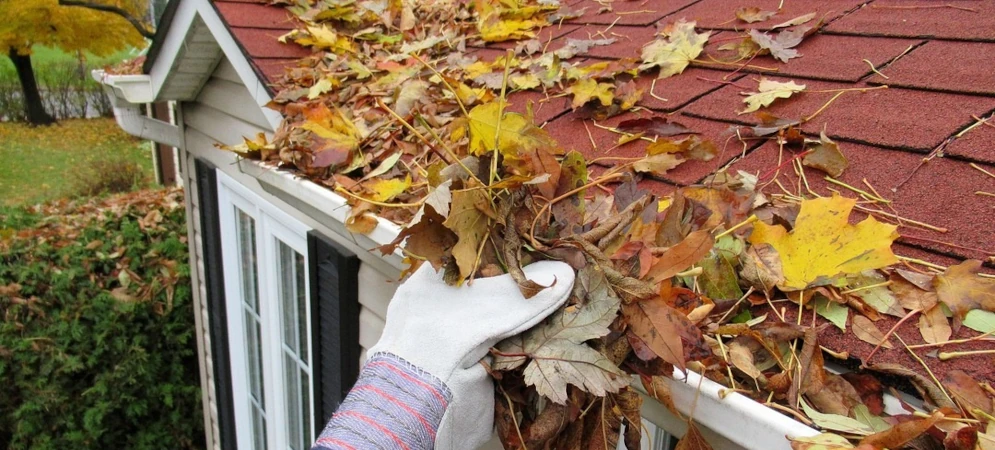
Roofs and gutters are some of the first places where moisture and debris become a problem. Seasonal cleaning helps reduce moss buildup, improve drainage, and prevent water from sitting where it shouldn’t.

House washing

Soft washing siding helps remove algae, mildew, dirt, and grime that build up over time, especially on shaded sides of the home. It’s one of the best ways to keep the exterior looking fresh without using excessive pressure.

Driveway and walkway cleaning

Concrete surfaces can become stained, slippery, and discolored when moss and algae are left to build up. Regular cleaning helps improve appearance and reduce slick spots around the property.

Deck and fence cleaning

Wood and composite surfaces can hold moisture and develop staining, algae, or grime over time. Cleaning them seasonally helps preserve appearance and prevent surfaces from looking weathered too quickly.

How often should seasonal maintenance be scheduled?

That depends on the property, but most homes in Washington benefit from at least annual exterior cleaning, with twice-yearly maintenance being ideal for properties with heavier tree cover, full-shade areas, recurring moss, or persistent moisture issues.

For example:

  • A home with open sun exposure may only need yearly roof, gutter, and house washing.
  • A shaded home surrounded by trees may benefit from spring and fall service to stay ahead of moss and algae.
  • Commercial properties or multi-unit buildings may need more regular maintenance to keep common areas and building exteriors consistently presentable.

Final thoughts

Seasonal maintenance is one of the most effective ways to protect a property in Washington’s damp climate. With so much moisture, shade, and organic buildup working against exterior surfaces year-round, waiting too long between cleanings often leads to more buildup, more staining, and more work later.

A consistent maintenance plan helps keep roofs, gutters, siding, concrete, and other exterior surfaces in better shape while reducing the chance of larger issues developing over time. If your property deals with recurring moss, algae, or moisture-related buildup, seasonal service can make a big difference in both appearance and long-term upkeep.

At Washington Pressure Washing, we help homeowners and commercial property owners build maintenance schedules around the needs of the property, with service recommendations based on shade, exposure, surface type, and how quickly buildup returns.

  • neilghuman

Pressure Washing vs. Soft Washing: What Homeowners Should Know Before Cleaning Their Exterior

Keeping your home’s exterior clean does more than improve curb appeal. It also helps protect siding, roofing, concrete, and other surfaces from long-term buildup caused by dirt, algae, moss, mildew, and moisture. But not every exterior surface should be cleaned the same way. In many cases, choosing the wrong method can do more harm than good.

That’s where the difference between pressure washing and soft washing matters.

What is pressure washing?

Pressure washing uses a high-powered stream of water to remove dirt, grime, stains, moss, and other buildup from durable exterior surfaces. It’s a highly effective method when used on materials that can handle force without being damaged.

Pressure washing is commonly used for:

  • Concrete driveways
  • Sidewalks and walkways
  • Patios
  • Retaining walls
  • Some stone or brick surfaces
  • Garage floors and hardscapes

These surfaces are built to withstand more aggressive cleaning, which makes pressure washing a good choice for lifting heavy buildup, surface staining, and embedded grime.

What is soft washing?

Soft washing uses low-pressure water combined with specialized cleaning solutions to clean more delicate exterior materials. Instead of relying on force, soft washing uses cleaning agents to break down algae, moss, mildew, bacteria, and organic staining at the source.

Soft washing is typically used for:

  • Roofs and shingles
  • Vinyl siding
  • Painted exterior surfaces
  • Stucco
  • Fences
  • Composite decking
  • Older or more delicate materials

Because the pressure is much lower, soft washing helps clean surfaces thoroughly without stripping paint, damaging shingles, forcing water behind siding, or wearing down fragile finishes.

Why the cleaning method matters

A common misconception is that pressure washing is the best solution for every exterior surface. In reality, using too much pressure in the wrong area can cause costly damage.

For example, a concrete driveway may benefit from high-pressure surface cleaning, while an asphalt shingle roof should never be pressure washed. Roofs often require soft washing instead, because high pressure can loosen granules, shorten roof life, and damage shingles. The same goes for painted siding, soft wood, older fences, and other surfaces that need a gentler approach.

Choosing the right cleaning method is less about how dirty something looks and more about what the surface is made of, what type of buildup is present, and how that buildup should be removed safely.

Different materials require different care

Every part of a home weathers differently, and the right cleaning process depends heavily on the material being cleaned.

Concrete and masonry

Concrete, pavers, and some brick or stone surfaces are typically good candidates for pressure washing. These materials are dense and durable, which allows higher-pressure cleaning to remove dirt, algae, tire marks, and surface staining more effectively.

Siding

Not all siding should be treated the same way. Vinyl siding, painted wood siding, fiber cement, and older exterior finishes often respond better to soft washing. Low pressure helps avoid forcing water behind panels or damaging paint while still removing mildew and organic buildup.

Roofs

Most residential roofs should be soft washed, not pressure washed. Moss, algae streaks, and roof discoloration are often better treated with cleaning solutions that break down growth without putting stress on shingles.

Decks and fences

Wood and composite surfaces need more care than concrete. Too much pressure can leave marks, raise wood grain, or strip away finishes. In many cases, these surfaces are cleaned using a lower-pressure process or a soft wash approach depending on their condition.

Gutters and trim

Exterior trim, gutters, soffits, and fascia often collect dirt, streaking, and algae. These areas are usually cleaned with a softer process that removes buildup without damaging finishes or pushing water into sensitive areas.

It’s not just about pressure — cleaning products matter too

One of the biggest differences between pressure washing and soft washing is that soft washing relies on more than water alone. Professional exterior cleaning often includes cleaning solutions designed to target specific types of buildup.

Different products may be used to help remove:

  • Algae and mildew growth
  • Moss and organic staining
  • Black streaks on roofs
  • Dirt and atmospheric buildup
  • Bacteria and biofilm on exterior surfaces

These products help do what water pressure alone often can’t: treat the source of the problem, not just rinse off what’s visible on the surface.

That’s especially important when dealing with moss, algae, or mildew. If a surface is only rinsed clean without addressing the organic growth itself, buildup often returns faster. A proper soft wash treatment helps clean more thoroughly and can keep surfaces cleaner for longer between maintenance visits.

So which one does your home need?

The answer is often both, depending on the area of the property.

A home might need:

  • Pressure washing for the driveway, patio, and walkways
  • Soft washing for the roof, siding, gutters, and shaded exterior walls

That’s why a good exterior cleaning plan isn’t one-size-fits-all. The best results usually come from evaluating each surface separately and choosing the safest, most effective method for that specific material.

Final thoughts

Pressure washing and soft washing are both valuable tools in exterior cleaning, but they serve different purposes. Pressure washing is best for hard, durable surfaces that can handle force. Soft washing is the safer option for delicate materials, roofs, painted surfaces, and areas affected by moss or algae.

If you’re not sure which method your home needs, it’s worth having the property assessed before cleaning begins. Using the right approach helps protect your surfaces, improve curb appeal, and avoid unnecessary damage.

At Washington Pressure Washing, we evaluate each surface individually and use the cleaning method that makes the most sense for the material, condition, and type of buildup present. Whether your home needs a soft wash, a pressure wash, or a combination of both, the goal is always the same: a cleaner exterior and a safer, longer-lasting result.

  • neilghuman

The Ultimate Guide to Pressure Washing Your Home Exterior

Your home’s exterior faces a lot — dirt, mildew, pollen, pollution, and harsh weather can quickly dull its shine. Pressure washing is one of the most effective ways to restore that fresh, clean look while protecting your investment. But doing it right takes more than just water pressure — it’s about timing, technique, and the right approach.

Here’s everything you need to know before pressure washing your home’s exterior 👇


1. Why Pressure Washing Matters

Regular pressure washing removes built-up grime, mold, and algae that can damage siding and paint over time. It also boosts curb appeal instantly, making your home look brighter and well-maintained — a simple way to add value and longevity.


2. Best Time to Pressure Wash

For most Washington homes, spring and early summer are ideal. This clears away winter debris and prepares your home for the year ahead. Avoid freezing temperatures or extreme heat to ensure the best results and surface safety.


3. Choose the Right Pressure and Technique

Different surfaces need different pressure levels. Vinyl siding, wood, and brick all require unique settings. A professional knows how to clean effectively without causing damage — too much pressure can strip paint or etch surfaces.


4. Safety First

Pressure washers are powerful tools. Always wear eye protection, use stable footing, and avoid ladders. Professionals use commercial-grade equipment with the right detergents and nozzles to ensure safety and efficiency.


5. Eco-Friendly Cleaning Solutions

At Washington Pressure Washing, we use eco-safe detergents that are tough on grime but gentle on plants, pets, and people. Sustainability is part of every clean we deliver.


6. When to Call the Pros

If your home has heavy staining, high walls, or delicate materials, hiring professionals saves time, reduces risk, and guarantees spotless results.


💦 Bring Back the Shine

A clean exterior doesn’t just look great — it protects your home from long-term wear. Let Washington Pressure Washing handle the dirty work with precision and care.

📞 Contact us today for a free quote and let your home shine like new!

  • neilghuman

Why Every Business Should Invest in Commercial Pressure Washing

First impressions matter — especially in business. Whether you own a storefront, restaurant, or office building, the cleanliness of your property directly reflects your brand. Over time, dirt, oil, gum, mildew, and pollution can dull your exterior and turn customers away. That’s where professional commercial pressure washing makes all the difference.


1. Boost Your Curb Appeal

A clean, well-maintained exterior attracts customers and builds trust before they even step inside. Regular pressure washing keeps sidewalks, parking lots, and building facades spotless — showing that your business takes pride in every detail.


2. Create a Safer Environment

Slippery surfaces caused by algae, oil, or grime are more than an eyesore — they’re a safety hazard. Commercial pressure washing eliminates these risks, reducing the chance of slips and falls for both customers and employees.


3. Protect Your Property Investment

Dirt, mold, and pollution can slowly eat away at paint, concrete, and siding. Routine cleaning preserves your building materials, helping you avoid costly repairs or premature repainting. Think of pressure washing as preventative maintenance that pays off.


4. Improve Brand Image

A clean exterior signals professionalism and reliability. When your property looks polished, customers are more likely to associate your business with quality and attention to detail — two things that inspire confidence and loyalty.


5. Save Time with Professional Services

Hiring a professional team ensures every inch is cleaned efficiently and safely. Experts use specialized equipment, commercial-grade detergents, and precise techniques to deliver consistent results — without disrupting your business operations.


💧 Clean Spaces. Strong Impressions.

Your business deserves to look its best — every day. At Washington Pressure Washing, we specialize in commercial exterior cleaning that enhances curb appeal, extends surface life, and strengthens your professional image.

📞 Contact us today to schedule a free consultation and see how a spotless exterior can help your business shine.

  • neilghuman

How Clean Exteriors Can Attract More Customers to Your Storefront

Your storefront is more than just an entrance — it’s your first impression. Before a customer ever walks through the door, they’ve already formed an opinion about your business based on how your property looks. A spotless exterior can speak volumes, while dirt, grime, or mildew can silently drive customers away.

That’s where professional pressure washing comes in.


1. First Impressions Matter

Your storefront is your brand’s face. Clean sidewalks, walls, and windows immediately signal professionalism and care. When your exterior shines, customers are more likely to trust the quality of your services or products inside.


2. Boost Foot Traffic

A bright, inviting storefront draws attention — especially in busy commercial areas. Clean exteriors stand out, while dirty ones blend in or get ignored. Regular pressure washing helps your business look open, welcoming, and ready for customers.


3. Protect Your Investment

Beyond appearances, pressure washing removes harmful buildup like mold, algae, and pollutants that can damage your building materials over time. It’s an affordable way to preserve your property and avoid expensive repairs or repainting.


4. Build a Positive Reputation

A clean environment reflects a clean business. Customers naturally associate cleanliness with quality and trustworthiness. A well-maintained storefront not only attracts customers — it keeps them coming back.


💦 Let Your Storefront Shine

At Washington Pressure Washing, we specialize in helping local businesses stand out with spotless, professional exteriors. From sidewalks and signs to full building facades, we make sure your business looks as good as the service you provide.

📞 Contact us today to schedule your commercial pressure washing and make your storefront impossible to ignore.